
Why Senior Pets Need More Vet Visits
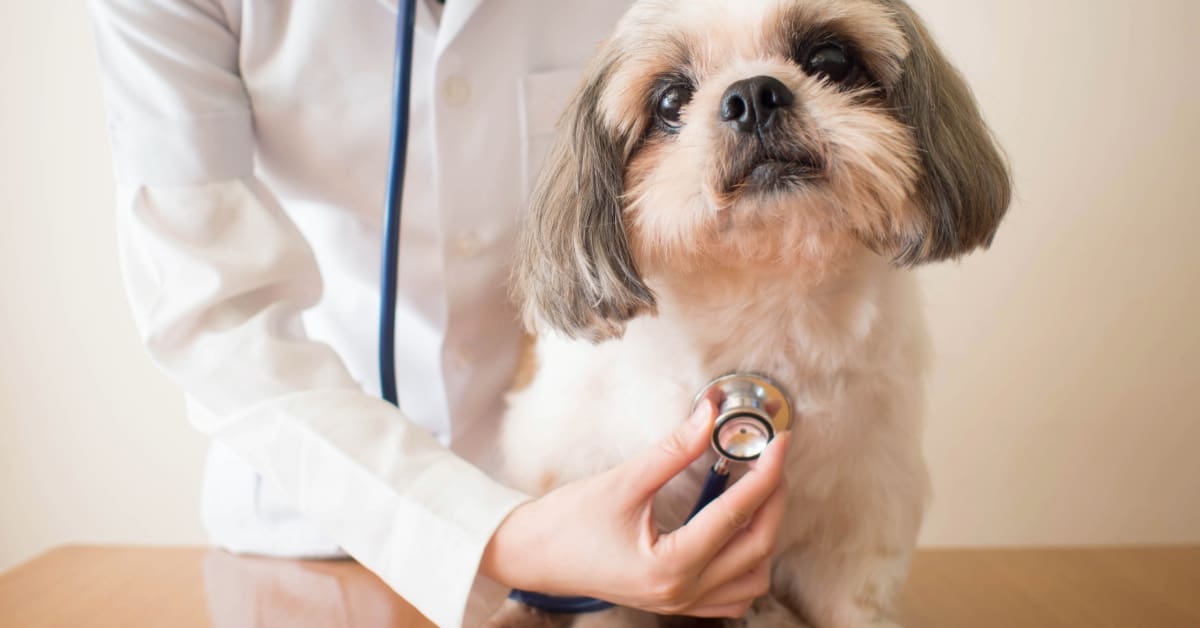
Senior pets need more veterinary visits because aging changes how their bodies function, how quickly health concerns develop, and how quietly symptoms can appear. Many pet owners notice subtle shifts first, a slower walk, longer naps, or less interest in play. Those small changes often signal larger internal changes that routine senior pet vet visits can uncover early. With thoughtful, consistent care, aging pets can stay comfortable, active, and connected to their families for many more years.
At Partners Animal Hospital Lakewood Ranch, we see senior pet vet visits as a partnership between families and veterinary professionals. These appointments support comfort, mobility, digestion, behavior, and overall quality of life. If your pet is entering their senior years, call (941) 281-3080 or book an appointment online to schedule a visit designed around their evolving needs.
When Is a Pet Considered a Senior?
Most dogs and cats reach senior status between 7 and 10 years of age, although size, breed, and lifestyle influence the timeline. Large dog breeds often reach senior status earlier than smaller dogs, while cats may not show outward signs until later years. Even when a pet still acts youthful, their internal systems may already be aging, which is why senior pet vet visits become more important during this stage of life.
As pets age, their metabolism slows, muscle mass changes, and organs work differently. These shifts can happen gradually, which makes them easy to miss at home. Regular senior pet vet visits help identify patterns that owners may not recognize, such as small weight fluctuations, subtle posture changes, or early dental wear. These visits provide a structured way to track aging rather than reacting only when something feels wrong.
Senior status also brings emotional changes. Some pets become more attached, while others grow more independent or anxious. Veterinary teams use senior pet vet visits to discuss behavior, routines, and comfort in ways that support both the pet and the household. Aging does not mean decline; it simply means your pet’s care needs more attention and consistency.
Common Health Issues in Senior Pets
Senior pets experience different health patterns than younger animals, even when they appear healthy on the surface. Senior pet vet visits allow veterinarians to monitor trends instead of isolated symptoms. This approach helps maintain stability rather than chasing problems after they escalate.
Many senior pets face challenges that develop slowly, including:
- Changes in mobility, stiffness, or balance
- Dental wear, gum inflammation, or tooth loss
- Weight gain or unintentional weight loss
- Digestive sensitivity or appetite changes
- Shifts in vision, hearing, or behavior
These issues often overlap, which is why comprehensive senior pet vet visits remain so valuable. A change in appetite may relate to dental discomfort. A change in behavior may connect to vision or hearing loss. Veterinary professionals look at the whole picture rather than a single symptom.
Mobility and Joint Comfort
Joint stiffness and reduced flexibility affect many aging pets. You may notice hesitation on stairs, difficulty standing, or shorter walks. During senior pet vet visits, veterinarians assess posture, gait, and muscle tone to better understand how aging affects daily movement. This information helps guide lifestyle adjustments that improve comfort at home, such as supportive bedding, non-slip flooring, or gentle activity routines.
Mobility discussions during senior pet vet visits also allow families to ask questions about exercise, weight management, and home modifications. These conversations focus on maintaining independence and confidence rather than limiting activity. Aging pets often thrive when movement remains part of their daily routine.
Dental and Oral Health
Dental health influences appetite, digestion, and overall comfort. Senior pets often hide oral discomfort, which makes regular evaluations essential. Senior pet vet visits allow veterinarians to assess teeth, gums, and oral tissues before pain becomes obvious. This proactive approach supports eating habits, energy levels, and long-term wellness.
Oral health discussions also connect to behavior. A pet that avoids toys or chews less may not feel playful because their mouth feels sensitive. Senior pet vet visits help uncover those connections so families can respond with understanding and support.
Cognitive and Behavioral Changes
Cognitive aging affects many senior pets. Some become more vocal, restless at night, or less responsive to familiar routines. Senior pet vet visits create a space to discuss these changes openly without judgment. Veterinary teams help families understand what aging looks like emotionally and behaviorally.
Why Semi-Annual Exams Are Recommended
Semi-annual senior pet vet visits provide a rhythm of care that matches how quickly health patterns can change in older pets. Six months in a senior pet’s life can equal several years of change in human terms. These visits allow veterinarians to monitor trends instead of relying on annual snapshots.
During senior pet vet visits, veterinary teams review weight, appetite, energy, mobility, and behavior. They also discuss home routines, diet preferences, and activity levels. These conversations create continuity and clarity. Families feel informed rather than uncertain.
Semi-annual visits also reduce stress for pets. Regular exposure to the clinic environment builds familiarity and comfort. Many senior pets feel calmer when visits remain part of their routine rather than rare events tied only to illness.
Senior pet vet visits also support early conversations about lifestyle adjustments. Simple changes at home can make a meaningful difference, such as:
- Raising food and water bowls for easier access
- Adding soft bedding in favorite resting areas
- Keeping routines predictable and calm
- Using ramps or steps for furniture access
These adjustments do not replace veterinary care. Instead, they complement senior pet vet visits by supporting comfort between appointments.
Partnering With Your Veterinary Team
At Partners Animal Hospital Lakewood Ranch, senior pet vet visits reflect a commitment to thoughtful, individualized care. Our team values communication, consistency, and long-term relationships. Each visit builds on the last, creating a clear picture of your pet’s health journey.
Senior pets thrive when their families feel supported. Senior pet vet visits provide that support through education, conversation, and personalized attention. These visits do not rush aging. They respect it.
If your pet has entered their senior years, schedule a visit today by calling (941) 281-3080 or booking an appointment online. The right care now can protect comfort, confidence, and companionship for years to come.
Care That Grows With Your Pet
Senior pets bring a quieter kind of joy. They move slower, rest longer, and often lean closer into their families. Senior pet vet visits honor that stage of life by offering care that grows alongside your pet. With regular visits, open conversations, and consistent support, aging becomes a shared journey built on trust, comfort, and connection.
When senior pet vet visits become part of your routine, you do more than monitor health. You protect the bond you have built across every stage of your pet’s life.
Recent Posts
About Us
At Partners Veterinary Group, we believe in energizing our team members through shared values, while helping them create value for our clients and patients. Knowing we can help make pets' and people's lives better motivates us to continually strive for excellence and love what we do.
Our team consistently works to build educational, supportive, and cooperative work environments that cater to positive experiences and professional growth. We're constantly evolving, creating innovative ways to deliver cutting-edge medicine to our patients. We equip our teams with tools to enhance their skills and improve their knowledge.