
How Often Should My Cat Go to the Vet?
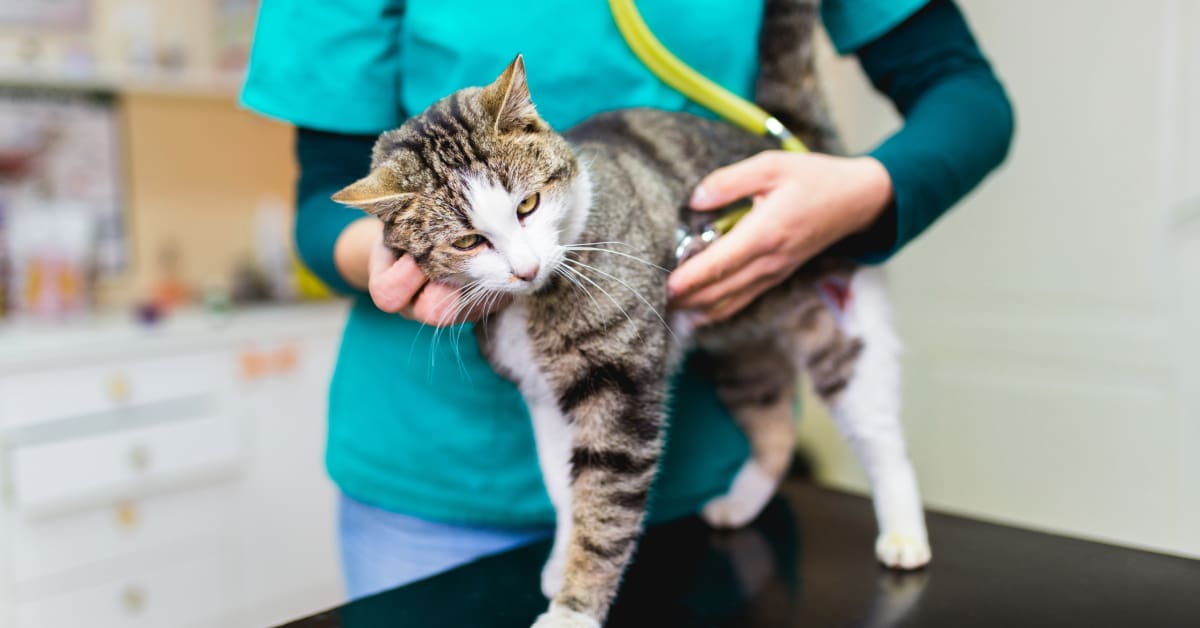
Most adult cats benefit from cat vet visits at least once a year, while kittens, seniors, and cats with ongoing health concerns often need visits more frequently. Still, every cat lives a different story. Some sprint through kittenhood, others settle into calm adult routines, and many quietly shift into their senior years before anyone notices. Regular veterinary care gives your cat a consistent place to be seen, heard, and supported through each of those stages.
For many pet parents, cat vet visits start with simple goals: reassurance, guidance, and a professional set of eyes on changes that are easy to miss at home. Over time, those visits become part of a rhythm that supports comfort, mobility, appetite, behavior, and long-term quality of life. At Partners Animal Hospital Lakewood Ranch, our team approaches each visit as a chance to understand your cat, not just examine them.
If you ever wonder whether your cat is due for their next appointment, the answer often comes down to one word: consistency.
Why Routine Vet Visits Are Important for Cats
Cats excel at hiding discomfort. They adjust quietly, move a little less, sleep a little more, and rarely announce when something feels off. Routine cat vet visits create a reliable check-in point where subtle changes receive attention before they grow into larger concerns.
These appointments also give veterinarians a long-term view of your cat’s health. Trends in weight, dental condition, coat quality, mobility, and behavior tell a story that one single visit cannot. Over time, those details help guide thoughtful recommendations that match your cat’s lifestyle and age.
Regular visits also strengthen trust. Your cat becomes familiar with the environment, the staff, and the process itself. That familiarity often reduces stress during future appointments and makes handling, exams, and diagnostics smoother for everyone involved.
Common benefits of routine visits include:
- Ongoing monitoring of weight, mobility, and overall condition
- Early awareness of age-related changes
- Dental and oral health observation
- Parasite screening and prevention planning
- Behavior and lifestyle discussions
For kittens, visits support healthy development and socialization. For adult cats, they maintain stability. For senior cats, they provide reassurance that comfort and quality of life remain priorities.
What Happens During a Cat Wellness Exam
A cat wellness exam covers far more than a quick look at your cat’s ears and eyes. It serves as a structured conversation between you and your veterinary team, supported by a hands-on physical assessment.
Your veterinarian typically begins with questions about appetite, litter box habits, activity levels, behavior changes, and any recent concerns. These details help shape the direction of the exam and highlight areas that deserve closer attention.
The physical exam often includes:
- Head, eyes, ears, nose, and throat evaluation
- Heart and lung auscultation
- Abdominal palpation
- Joint and muscle assessment
- Skin and coat inspection
- Weight and body condition review
Each step helps build a clear picture of how your cat feels today compared to previous cat vet visits.
Why Your Observations Matter
Pet parents notice things veterinarians cannot see in a short appointment window. Changes in sleeping patterns, grooming habits, or social behavior often signal early shifts in health. Sharing those details allows your veterinarian to connect daily life with clinical findings.
Keeping a simple note on your phone or calendar about changes you notice can help guide future conversations during visits.
How Preventative Care Protects Cats Long-Term
Preventative care focuses on maintaining health rather than reacting to illness. It helps veterinarians identify small changes early, when support options remain broad and flexible. Over time, this approach reduces surprises and allows care plans to evolve naturally with your cat’s needs.
Preventative care during cat vet visits often includes discussions about nutrition, dental care, parasite prevention, behavior, and lifestyle. Each topic connects directly to comfort and longevity.
Key areas commonly addressed include:
- Weight management and diet adjustments
- Oral health monitoring
- Parasite protection strategies
- Activity level guidance
- Environmental enrichment ideas
Cats that receive consistent preventative care often maintain better mobility, appetite, and engagement as they age.
Supporting Preventative Care at Home
While veterinary visits guide overall planning, daily routines at home reinforce those efforts. Simple habits such as brushing, regular playtime, clean litter boxes, and routine observation help you stay connected to your cat’s well-being.
Providing quiet resting spaces, accessible water, and mental stimulation through toys or window views supports both physical and emotional health between appointments.
How Often Should Cats Visit Based on Age?
Cat vet visits change slightly depending on life stage, but the goal remains the same: consistent monitoring and relationship-based care.
Kittens
Kittens usually visit more frequently during their first year as they grow rapidly and develop immune protection. These visits also help them become comfortable with the veterinary environment.
Adult Cats
Most healthy adult cats benefit from annual wellness visits. These appointments keep long-term records current and allow for meaningful trend tracking.
Senior Cats
As cats enter their senior years, many veterinarians recommend visits every six months. This schedule helps identify age-related changes earlier and supports comfort-focused planning.
Cats with chronic conditions may follow a customized schedule that fits their individual needs.
Signs Your Cat May Need a Visit Sooner
Even between routine cat vet visits, certain changes deserve attention. While cats remain quiet about discomfort, their behavior often tells the story.
Watch for signs such as:
- Appetite or weight changes
- Increased hiding or withdrawal
- Changes in grooming habits
- Litter box differences
- Decreased activity or stiffness
- Vocalization changes
These observations do not automatically signal serious problems, but they do signal that your cat would benefit from professional evaluation.
Building a Positive Relationship With Your Veterinary Team
Veterinary care works best when it feels collaborative. When you feel comfortable asking questions and sharing concerns, your veterinarian gains a deeper understanding of your cat’s daily life.
Partners Animal Hospital Lakewood Ranch focuses on relationship-centered care. Each visit builds on the last, creating continuity that supports trust, communication, and comfort. Over time, cat vet visits become less about appointments and more about partnership.
Scheduling Your Cat’s Next Visit
Consistency remains the foundation of lifelong feline care. Whether your cat is playful, reserved, energetic, or mellow, routine visits provide stability through every stage.
If your cat is due for an exam or if you have questions about their schedule, call (941) 281-3080 or book an appointment online with Partners Animal Hospital Lakewood Ranch. The team looks forward to meeting you and supporting your cat’s journey at every age.
Caring for Cats Through Every Chapter
Cats move through life quietly, gracefully, and often faster than we expect. Routine cat vet visits give them a steady place to pause, be seen, and receive thoughtful attention. Through consistent care, open communication, and shared trust, those visits become a powerful part of your cat’s story, helping every chapter unfold with comfort and confidence.
Recent Posts
About Us
At Partners Veterinary Group, we believe in energizing our team members through shared values, while helping them create value for our clients and patients. Knowing we can help make pets' and people's lives better motivates us to continually strive for excellence and love what we do.
Our team consistently works to build educational, supportive, and cooperative work environments that cater to positive experiences and professional growth. We're constantly evolving, creating innovative ways to deliver cutting-edge medicine to our patients. We equip our teams with tools to enhance their skills and improve their knowledge.